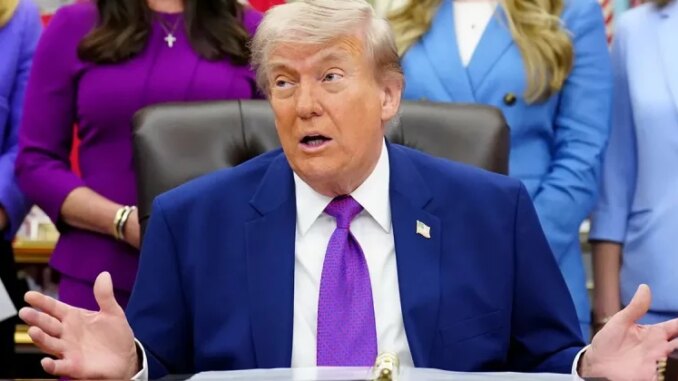

Peace talks between the US and Iran appear to be unraveling in real time. President Trump rejected Iran’s counterproposal on May 10, calling the multipage response “totally unacceptable” and describing the negotiation process as being “on life support.”
Iran’s demands reportedly include lifting the US naval blockade, recognition of Iranian sovereignty over the Strait of Hormuz, the release of frozen assets, an end to regional warfare, and compensation for war damage. The US, for its part, has been pushing Iran to accept significant restrictions on its nuclear enrichment capabilities and uranium extraction programs.
What Iran wants, and why the US won’t give it
Demanding sovereignty recognition over the Strait of Hormuz, one of the world’s most strategically vital oil chokepoints, is essentially asking Washington to cede influence over roughly 20% of global petroleum transit.
Pakistani intermediaries reportedly served as the delivery channel for Iran’s proposals, adding a third-party diplomatic layer that suggests neither side is comfortable with direct communication at this stage. Meanwhile, Iranian state media has framed the situation as Iran rejecting US proposals, not the other way around.

The US negotiating position centers on nuclear restrictions. Washington wants Iran to limit enrichment activities and curtail uranium extraction, conditions that Tehran has historically treated as non-starters because they touch on what Iran considers sovereign scientific rights.
Oil markets react before crypto does
Trump’s statements triggered a spike in crude oil prices during early Asian trading on May 10. Any time the Strait of Hormuz enters a geopolitical headline, energy traders reach for the buy button.
The correlation between geopolitical risk events and Bitcoin price action has become more pronounced as institutional capital has entered the crypto market. When hedge funds and macro traders adjust their risk profiles in response to events like a collapsing Iran deal, those adjustments now include their crypto allocations.
The broader geopolitical chessboard
For context, the Strait of Hormuz is a narrow waterway between Iran and Oman through which a massive share of the world’s oil supply passes daily. The US naval blockade that Iran wants lifted is specifically designed to maintain freedom of navigation through this corridor.
The involvement of Pakistani intermediaries suggests that traditional diplomatic channels have either failed or been deliberately bypassed. Pakistan’s role as a go-between reflects its unique position as a country that maintains working relationships with both Washington and Tehran.
What this means for crypto investors
If crude prices continue climbing on Strait of Hormuz concerns, that feeds an inflationary narrative that could delay any interest rate cuts and simultaneously boost the “inflation hedge” case for Bitcoin.
Institutional investors who now hold significant Bitcoin and Ethereum positions through ETFs and direct allocations will be recalibrating their models based on this news. A prolonged US-Iran standoff increases the probability of supply disruptions, which increases energy price volatility, which increases macro uncertainty.


Be the first to comment