


Unlock the Editor’s Digest for free
Roula Khalaf, Editor of the FT, selects her favourite stories in this weekly newsletter.
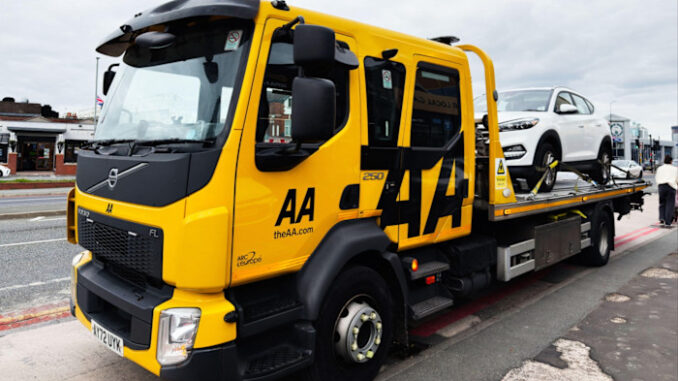
The AA, the UK’s biggest roadside recovery business, has received early interest from suitors including private equity firm EQT as it gears up for a £5bn sale.
The AA’s owners, which include TowerBrook Capital Partners, Warburg Pincus and Stonepeak, hired advisers at Rothschild and JPMorgan Chase at the end of last year to steer a sale.

The process is at an early stage but two people close to the situation say there has been interest from multiple parties, including EQT and strategic interest from an insurer. The AA provides its own car, home and travel insurance.
The AA and EQT, whose interest was first reported by Sky News, both declined to comment.
The AA’s sale process comes as its closest rival, the RAC, has also begun sounding out investors for a London stock market listing, which it hopes will value the business at a similar £5bn price tag.
The AA, which has 17mn customers, is said to prefer a sale over a return to the stock market.
It was taken private in 2020 for just £219mn after a tumultuous period, which included a string of profit warnings and a boardroom scandal when its executive chair, Bob Mackenzie, was fired for punching a colleague. It had listed for £1.4bn in 2014.
The business claims to have overhauled its performance since then. It reported that its adjusted earnings before interest, tax, depreciation and amortisation had increased by 6 per cent to £450mn in the last financial year.
The AA is predicting further growth as drivers increasingly switch to electric vehicles, which require extra expertise when they break down because of battery faults and tyre damage due to being heavier than petrol or diesel cars.
Figures from Autotrader have shown a 28 per cent increase in drivers enquiring about purchasing an EV since the start of the war in Iran, amid concerns about fuel prices.
The AA has, meanwhile, recommended that drivers reduce their speed to “improve fuel efficiency” as petrol and diesel prices have risen sharply on the back of conflict in the Middle East.
The government and fuel industry have maintained that there is no immediate impact on fuel supplies in the UK from the war, but the FT has reported that traders have warned that supplies will tighten in mid-May.


Be the first to comment